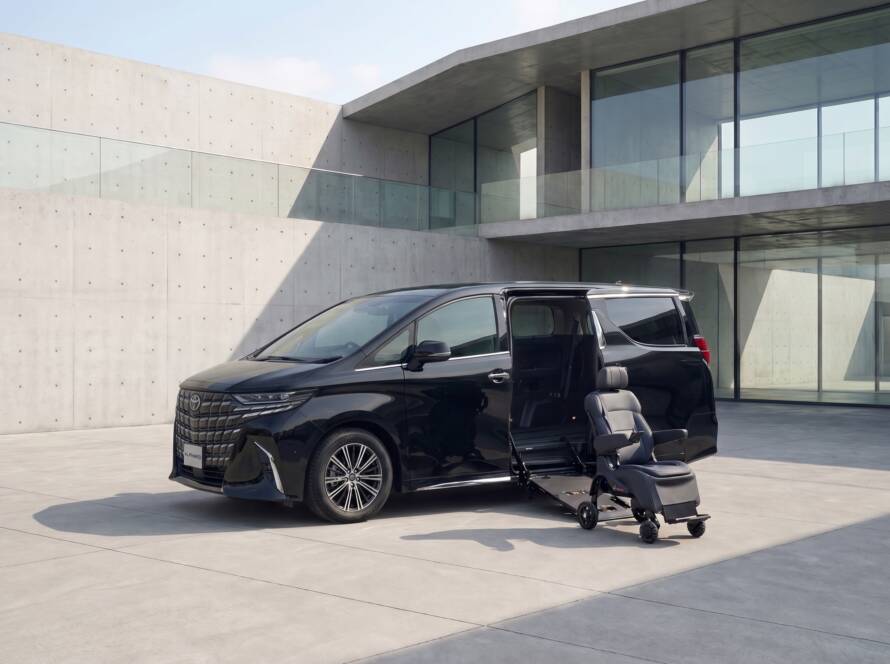
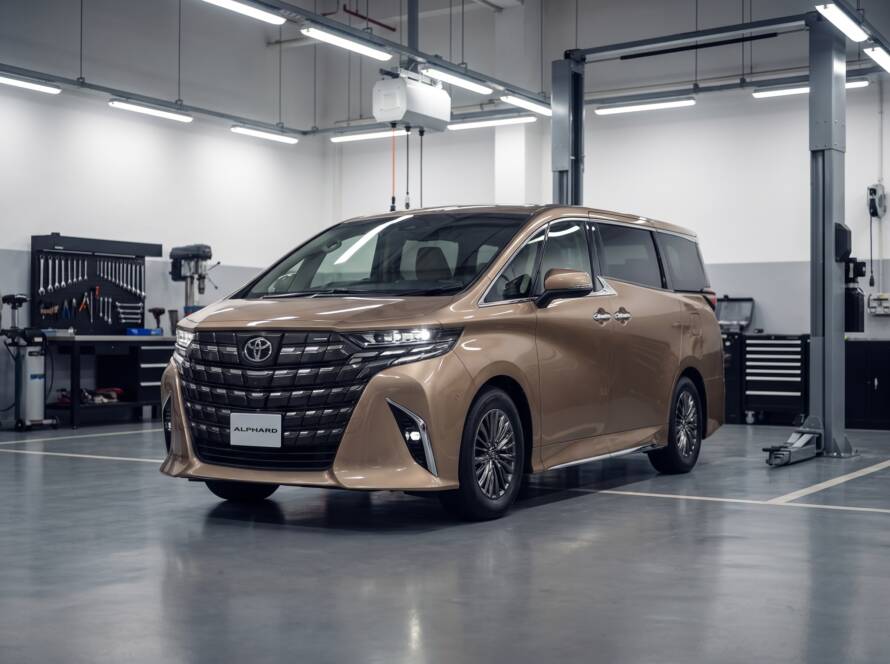
Quick verdict: The Toyota Alphard Hybrid is one of the most comfortable MPVs money can buy in Singapore, with a quiet cabin, smooth low-speed ride, and hybrid fuel savings that make daily driving noticeably cheaper than the petrol variant. It’s not the sportiest thing on the road, and the price reflects its luxury positioning, but for families, executives, and chauffeur use, it remains the segment benchmark in 2026.
| Category | Rating | Notes |
|---|---|---|
| Ride comfort | 9.5 / 10 | Best in class for rear-seat passengers |
| Fuel economy | 9 / 10 | Noticeably better than the petrol-only Alphard |
| Interior quality | 9 / 10 | Executive seats, ottoman function, quiet cabin |
| Practicality | 8 / 10 | Spacious first and second row, tighter third row |
| Value for money | 7.5 / 10 | Priced at a premium, but resale value holds up well |
How Does the Alphard Hybrid Drive?
Get behind the wheel and the first thing you notice isn’t the power. It’s the silence. The hybrid system keeps the cabin remarkably quiet at low speeds, which matters a lot on Singapore’s stop-start roads. The ride stays soft and controlled, and the suspension is tuned specifically to protect rear-seat comfort, not just handling.
Acceleration is adequate, not thrilling. This isn’t the car for spirited driving, and it was never meant to be. What it does deliver is confidence: a smooth, composed drive whether you’re navigating the CTE at rush hour or crawling through Orchard Road traffic.
Fuel Economy: The Hybrid’s Strongest Argument
This is where the hybrid variant earns its keep. Real-world fuel consumption sits meaningfully lower than the petrol-only Alphard, which adds up fast given Singapore’s fuel prices and daily traffic conditions. For high-mileage owners, or anyone running the car for business or chauffeur use, that efficiency gap alone can justify the hybrid premium over a few years of ownership.
Interior and Comfort
Step inside and the Alphard Hybrid makes its case immediately. Executive-style seats come with ottoman function, heating, and ventilation in the higher trims, turning the second row into the best seat in the house. Cabin insulation is excellent, road noise is well controlled, and the overall feel is closer to a private lounge than a family van.
The third row is the one compromise. It’s usable, but tighter than the front rows, especially with the captain seats pushed back. If you’re regularly carrying seven passengers rather than five, it’s worth testing that row yourself before buying.
Is the Alphard Hybrid Worth the Price in Singapore?
At Zion Auto, current Alphard Hybrid pricing sits at $298,888, and yes, that’s a serious number. But context matters here. COE alone drives a huge portion of any car’s price in Singapore, and the Alphard’s resale value has historically held up better than most MPVs in its class. Factor in the hybrid’s fuel savings over several years of ownership, and the total cost of ownership looks more reasonable than the sticker price suggests on its own.
For a full breakdown of current pricing, see our Toyota Alphard price Singapore guide. If you’re also weighing it against the sportier alternative, our Vellfire vs Alphard comparison breaks down which one fits your style.
For official specifications and the latest model updates, Toyota Singapore’s own overview is a useful reference: Toyota Singapore’s Alphard & Vellfire guide.
Pros and Cons
- Pro: Exceptional rear-seat comfort and cabin quietness
- Pro: Meaningful fuel savings over the petrol variant
- Pro: Strong resale value compared to rivals
- Con: Third row feels tight with captain seats set back
- Con: High upfront price, heavily influenced by COE
Frequently Asked Questions
Is the Alphard Hybrid worth buying in Singapore?
Yes, for buyers who prioritise comfort, quietness, and long-term fuel savings. It’s a strong choice for families, executives, and chauffeur use, though the upfront price is high due to COE.
How much does the Alphard Hybrid cost in Singapore?
At Zion Auto, current pricing for the Alphard Hybrid is $298,888. Prices vary with COE movements and variant selection.
Is the Alphard Hybrid more fuel efficient than the petrol version?
Yes. The hybrid system delivers noticeably better real-world fuel economy than the petrol-only Alphard, which adds up over time for high-mileage owners.
What is the biggest drawback of the Alphard Hybrid?
The main drawbacks are a tighter third row when captain seats are set back, and a high purchase price driven largely by COE rather than the car itself.