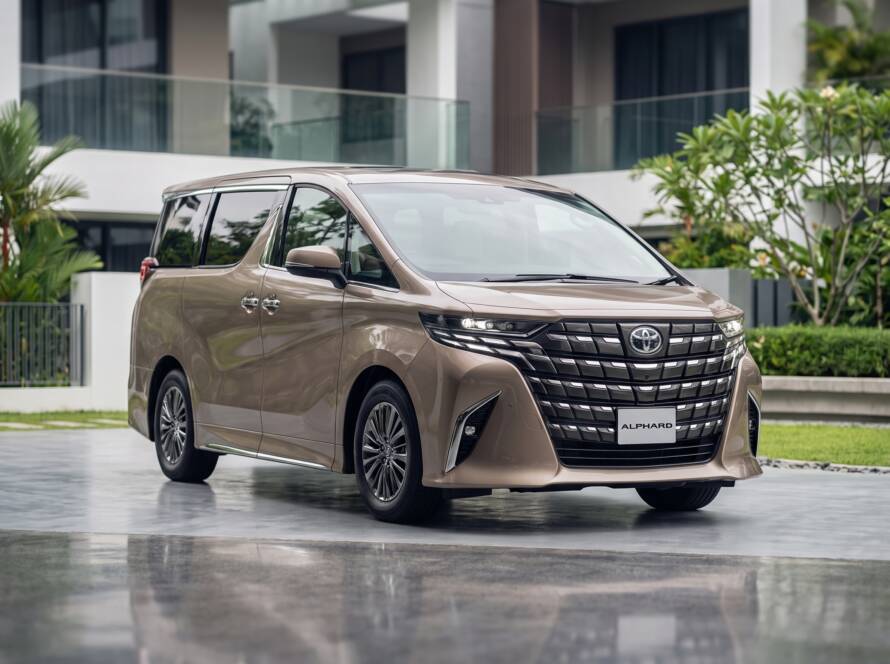
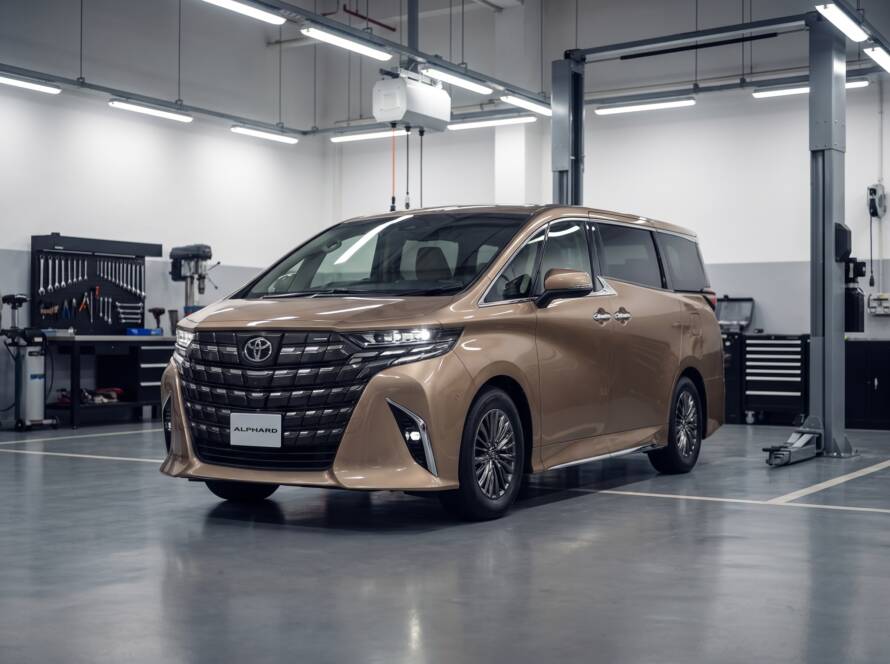
Quick answer: The Toyota Vellfire and Alphard share the same platform, dimensions, and powertrains. The real difference between them is styling and character. The Alphard wears a bold, upright chrome grille built for a refined, executive look. The Vellfire goes darker and sportier, with a more aggressive front fascia aimed at buyers who want presence without losing luxury. Neither is “better.” They’re built for different personalities.
If you’re cross-shopping the new model, here’s the difference that actually matters, summed up in one table.
| Feature | Toyota Alphard | Toyota Vellfire |
|---|---|---|
| Design language | Elegant, conservative, executive | Bold, sporty, assertive |
| Front grille | Upright chrome-heavy grille | Darker, more angular fascia |
| Interior ambience | Classic, understated luxury | Modern, tech-forward trim |
| Platform & dimensions | Shared | Shared |
| Powertrain options | Petrol, Hybrid | Petrol, Hybrid |
| Typical buyer | Families, executives, chauffeur use | Business owners wanting a bolder look |
Styling: Where the Vellfire and Alphard Actually Split
Styling is where buyers notice the difference first, and honestly, it’s where the decision usually gets made. The Alphard keeps things refined. Its grille sits upright, dressed in chrome, and reads as corporate from any angle. It’s the choice for someone who wants their car to look established, not loud.
The Vellfire takes the same body and gives it edge. The front fascia goes darker and more angular. It reads sportier, more contemporary, and a little less formal. If the Alphard is boardroom, the Vellfire is boardroom-off-duty.
Interior: Same Comfort, Different Mood
Here’s the part that surprises a lot of buyers: inside, both models deliver the same level of comfort. Captain seats, ottoman function, cabin quietness — none of that changes between the two.
What changes is the mood. The Alphard’s cabin leans classic and understated. The Vellfire’s cabin leans modern, often with darker trims and a more tech-forward layout. Neither is more “premium” than the other. They’re just dressed differently for different tastes.
Performance and Powertrain: No Real Difference
This is where a lot of online debates get it wrong. Because the Alphard and Vellfire share the same platform, they also share the same engine and hybrid options in each market. Fuel efficiency, VES banding, and road tax work out the same way for both. If someone tells you one is faster or more efficient than the other, they’re likely thinking of an older generation or a different market’s trim lineup.
Which One Should You Choose?
So which one actually fits you? It comes down to how you want to show up, not what you need mechanically.
- Choose the Alphard if you want a timeless, executive presence — ideal for family use, chauffeured transport, or a business image that leans conservative.
- Choose the Vellfire if you want the same luxury MPV experience with a bolder, more modern edge — popular with business owners and drivers who want to stand out.
For a closer look at current pricing, see our Toyota Alphard price Singapore breakdown, or browse our current Alphard and Vellfire inventory to compare both in person.
For the latest official model details, Toyota’s own comparison overview is a useful starting point: Toyota Singapore’s Alphard & Vellfire guide.
Frequently Asked Questions
What is the main difference between the Toyota Alphard and Vellfire?
The main difference is styling and character, not mechanics. The Alphard has a conservative, executive design. The Vellfire has a sportier, bolder design. Both share the same platform, dimensions, and powertrain options.
Is the Vellfire more expensive than the Alphard?
Pricing between the two is close and can shift with COE and variant selection. Neither model is consistently priced higher than the other across all markets.
Do the Alphard and Vellfire have the same engine?
Yes. Both models share the same petrol and hybrid powertrain options within a given generation and market.
Which is better for families, the Alphard or Vellfire?
Both offer identical interior space and comfort, so the choice for families usually comes down to styling preference rather than practicality.